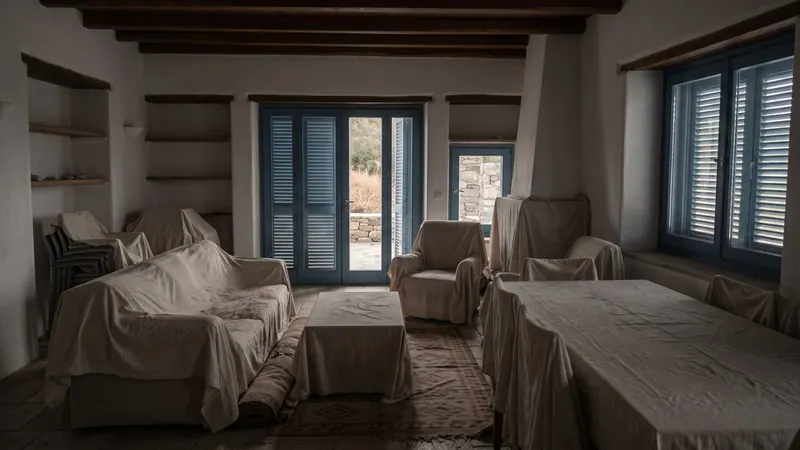
A holiday home spends most of the year in silence, and silence suits pests. Nobody is there, no lights are on and nothing is disturbed. The list below gathers the smallest set of precautions that will protect the house while you are away and make reopening easier. If you do only part of it, do the first part: it is far better to complete half the list than to skip it altogether.
Before you start: a walk with three questions
A week before you leave, walk through the house with a notebook. In every room ask three questions. Is there food? Is there water? Is there a way in? When all three answers are no, the house offers very little to anything looking for a home.
Kitchen
- Take dry food such as flour, spices, tea, pulses and biscuits out of the house. If that is not possible, move it into glass or hard plastic containers that seal tightly.
- Empty the fridge and freezer, wipe them out and leave the door slightly open.
- Wipe the inside of cupboards and shelves, open the drawers and sweep out the crumbs.
- Wash the bin and either take it with you or leave it empty with the lid on.
- Make sure no water is left in the dishwasher, sink or drains.
- Remove pet food and bird seed completely.
This looks simple, but the kitchen is where the first surprise of the new season usually appears. Our article on a kitchen pest prevention routine covers the daily habits that make this easier when you are in residence.
Bathrooms and plumbing
- Water in drain traps evaporates over time. To limit smells and insects coming up from pipes, cover the drain opening or leave a little water in the trap before you go.
- Repair dripping taps and leaks before the season ends.
- Close the water meter and main valve.
- If you cannot leave the bathroom ventilated, take a measure to absorb moisture.
A leak is the biggest source of damp in a closed house, and damp is where silverfish, mould and many insects gather.
Bedrooms and textiles
Textile pests love closed wardrobes. Before closing:
- Wash or dry-clean pillows, blankets, curtains and woollens, and dry them thoroughly.
- Store them in boxes or bags that close tightly.
- Go through old clothes that have been left in wardrobes, particularly wool and silk.
- Sweep along the skirting boards and under wardrobes.
The University of California’s clothes moth guide advises storing susceptible items clean and pest-free in an airtight container, vacuuming seldom-touched spots such as under heavy furniture, along skirting boards and in wardrobes, and keeping indoor humidity low. If you suspect damage, our page on moth control explains what to look for.
Living room and furniture
- Lift sofa cushions off the floor or cover them.
- Sweep behind and under furniture.
- If you see tiny exit holes or powdery dust beneath wooden furniture, photograph them and ask for advice.
Garden and outside walls
- Move wood, planks, tarpaulins and unused materials away from the walls.
- Clear leaves, twigs and weeds.
- Clean gutters and drains.
- Turn off the irrigation system and fix any leaks.
- Check the gaps under doors, around vents and where pipes pass through walls, and close them with durable material.
- Plan what you will do about water collecting on the pool cover over the winter.
Rodents are the main winter risk. Our guide to mice in the house in winter gives a month-by-month calendar, and the entry-point checks there complement this list. The CDC’s rodent control page names removing food, water and shelter as the way to prevent infestations, which is the logic behind most of the steps above.
If nobody is there: a friendly pair of eyes
The big drawback of a closed house is that nobody notices a small problem. Ask a trusted neighbour, gardener or caretaker to pop in once a month. Give them three questions:
- Is there a new smell, damp patch or stain inside?
- Have you noticed a new break, hole or gap around doors and windows?
- Have you seen dead insects, droppings or gnawing in the kitchen or pantry?
If they take a photo and send it, you can judge the situation from far away.
If you only have time for three things
When time is short, do these in order:
- Take the food out of the kitchen and store room.
- Deal with damp and leaks in the bathroom, kitchen and roof.
- Close the entry points under doors, at pipe penetrations and at vents.
Those three make a house unattractive to almost every pest, from cockroaches and mice to ants and moths.
Notes specific to Bodrum
The long, warm summer on the peninsula stretches the season, and many owners open and close their homes several times a year. That turns closing from a one-off job into a routine. Following the same list each time makes it a habit. Short winter visits also tend to involve bringing food into the house, so take it back out when you leave. Salty sea air wears away metal and wood over the years, which can mean new cracks and gaps, so include the outside walls in your end-of-season walk.
Last look before you leave
- Is any food left anywhere?
- Has all the rubbish gone?
- Is every pipe and tap free of leaks?
- Are wardrobes and drawers left slightly open?
- Are gaps at doors, windows and vents closed?
- Have you left a dated note of what you did?
That note helps when you return, because you can compare what you find with what you left.
Does a closed house need treatment?
The answer depends on the house. Age, garden, history of problems and neighbours all play a part. Removing food and managing moisture should always be done. Whether to add a treatment is a separate decision, best made after someone has looked at the property. For help planning, see our page on villa and home pest control.
A photo record
Take a quick photo of each room before you go, including inside drawers, wardrobes and under the bathroom sink. When you return, take the same shots from the same angles and compare them. Even a small change stands out. Keep the pictures in a folder labelled with the date and you will have a reference for next year too. When you reopen the house, those pictures are the quickest comparison, and our first-day pest check for a holiday villa shows what to look for next.