
Winter in Bodrum is gentle, which tempts people to think mice are not a concern here. They are. As nights cool from late October, rodents move from gardens towards buildings, and a house left empty for the winter is especially attractive because it offers shelter and nobody to disturb them. The calendar below answers the question “what should I do, and when?”
Why more mice in winter?
A mouse looks for two things: warmth and food. Seeds, fallen fruit and pet food in the garden run short as the year turns, while the wall cavities, roof voids and pantries of a house look better and better. In a holiday home that is shut up, the mouse only needs a place to shelter, and with nobody around it can settle in unnoticed.
The CDC’s rodent control page says the best way to prevent infestations is to remove the things that attract rodents: food sources, water and items that provide shelter. It also advises sealing up holes around the home. The calendar below is a practical way of applying that advice.
October: walk the outside of the house
Walk around the building slowly and look at:
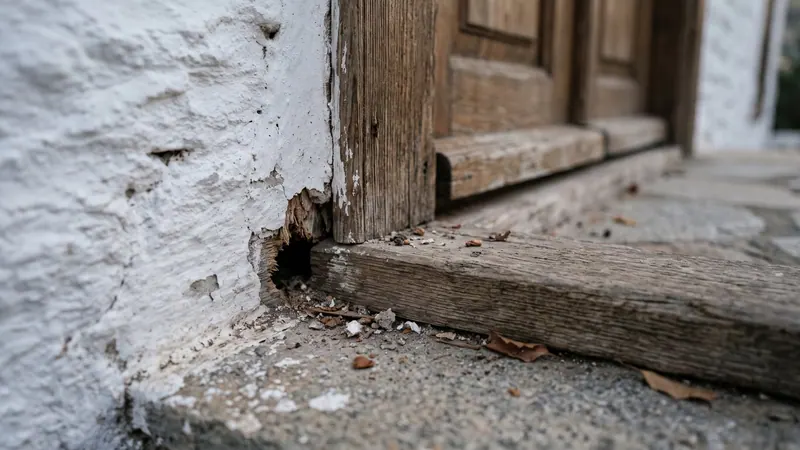
- cracks and holes at the base of walls,
- places where pipes, cables and vents pass through the wall,
- gaps under entrance and garage doors,
- openings under the roof edge,
- stacked wood and materials leaning against the wall.
When you seal a gap, think about durability. Soft materials can be gnawed through, so metal mesh or mortar generally lasts longer than a quick fill. We do not recommend a particular product, and a builder can advise on what suits your walls.
November: food and waste
The second draw is food. This month:
- Store dry food such as pulses, flour and nuts in hard plastic or metal containers.
- Pick up pet food at night.
- Keep the kitchen bin lidded and keep outside bins closed and away from the house.
- Collect fallen fruit and bird seed from the garden.
- Keep compost in a lidded container well away from the walls.
The CDC’s emphasis on food, water and shelter is why these small jobs matter more than any single gadget.
December: learn the signs
Mice are mostly active at night, so a mouse seen in daylight can mean there are many. Signs to look for include:
- dark droppings the size of a grain of rice, particularly in kitchens, pantries and roof spaces,
- gnaw marks on food packaging, plastic and wood,
- greasy dark rub marks along the base of walls,
- scratching and scurrying in walls and ceilings at night,
- nesting material made of paper, fabric or insulation.
The CDC describes rodent droppings as pointed at one end and often containing hair, found in cupboards, drawers and other areas out of plain sight. Checking whether droppings return after an area has been cleaned is one way to tell whether rodents are still active. Gnaw marks alone may only show past activity.
To tell mice from rats, see our pages on mouse control and rat control.
January: empty and closed houses
A problem in an unused house can go unnoticed for a long time, so plan a visit this month.
- Open closed cupboards and drawers and look for gnawing and nests.
- Make sure bedding and textiles are in sealed containers.
- Check the attic and boiler room.
The steps you take before leaving are covered in our holiday home closing checklist, and the first look when you return is covered in the guide to opening a holiday villa.
February and March: check again
Late winter is the breeding season for rodents. Plan another round: look again for signs, revisit the entry points, and think about what changes in spring. New plants, stored materials and moved furniture can create fresh hiding places.
Short notes help here. Write down the date of each sign and every repair. By next autumn you will know what worked and where the weak spots are. If a new sign appears, a dated photo also lets an expert assess it faster.
Which animal, which sign?
Not every noise is a mouse. The table below is a guide to the common signs and what else could cause them.
| Sign | Points to mice | Other possibilities |
|---|---|---|
| Small dark rice-shaped droppings | Yes | Droppings from other animals differ in shape |
| Running in the ceiling at night | Yes | Birds, cats, a building cooling down |
| Fine tooth marks on wood | Yes | Holes left by wood-boring insects |
| Strong sharp smell | Possible in a large colony | Damp, a dead animal, plumbing |
| Gnawed plastic pipe | Yes | Usually rodents |
Look for several signs in the same place rather than reading one on its own.
Apartment blocks and complexes
In a detached house responsibility lies with one person. In a block, one neighbour’s bin habits or an open door can affect everyone. Shared bin rooms, basement car park entrances and communal gardens need checking all year. A management team that agrees a common-area checklist before winter will have fewer surprises later.
An entry-point checklist
Use these questions on your autumn walk:
- Are all gaps under doors narrow enough to stop a mouse getting through?
- Are ventilation grilles protected by solid metal mesh?
- Does the garage door have a seal or brush along the bottom edge?
- Are there openings under the roof edge?
- Are the places where electrical and water pipes pass through walls filled?
If you can answer yes to each, the outer shell of the house is sound. Every no is a repair to add to your list.
What time of night?
The timing of a noise gives a clue. Scurrying at dusk and towards midnight is usually a mouse looking for food, and rustling near dawn can suggest nest building. Sounds from the roof space in the morning are more often birds or other animals. Recording the noise on your phone and noting the time helps narrow it down.
Three common myths
“A cat in the house keeps mice away.” A cat may catch some, but it does not close entry points or stop a population building up.
“Putting down poison solves it.” Used carelessly, poison can put children, pets and wildlife at risk, and a dead rodent inside a wall brings its own problems. Treatment is best planned by someone trained.
“Cheese is the best bait.” Mice take many foods, particularly energy-rich and strongly scented ones. Cheese is not special.
Cleaning safely
Dealing with droppings or nesting material can expose you to germs. Follow guidance from official health sources instead of improvising, and do not rely on this page for medical advice. The CDC states that safe clean-up of rodent waste and nesting material is important for preventing illness and publishes a dedicated clean-up guide.
When to ask for help
Mice seen in daylight, droppings in several rooms or noises in the walls that continue after you have sealed what you can find all justify a professional inspection, because mice breed quickly and their routes can be hidden. Our contact page is the place to ask about a free inspection.